
Visual artistry
The intersection of technology and creative vision
Photography merges precise optical engineering with subjective artistic intent. This duality allows creators to document reality while simultaneously interpreting it through a unique, personal lens, creating lasting cultural impact.
Optical mechanics
Mastering the fundamentals of exposure control
Understanding the exposure triangle remains the cornerstone of technical proficiency. Aperture settings determine the depth of field, controlling which elements remain sharp, while shutter speed dictates how motion is rendered, transforming a rushing river into silk or freezing a sprinter mid-stride. These choices define the visual texture.
Light metering systems evaluate the scene’s luminosity to guide these settings. Modern sensors offer immense dynamic range, yet the photographer must still interpret the light quality, deciding whether to expose for the highlights to preserve detail or lift the shadows for a brighter aesthetic. This balancing act requires both technical knowledge and creative intuition to execute correctly.

Manual focus precision
Critical focus ensures the primary subject stands out sharply against the background.

Sensor sensitivity
Adjusting ISO amplifies signal gain, enabling capture in challenging low-light scenarios.

Lens focal length
Telephoto lenses compress perspective, bringing distant objects closer to the viewer.

Dynamic range
HDR techniques combine multiple exposures to retain details in high-contrast scenes.

Artistic composition
Structural elements within the visual frame
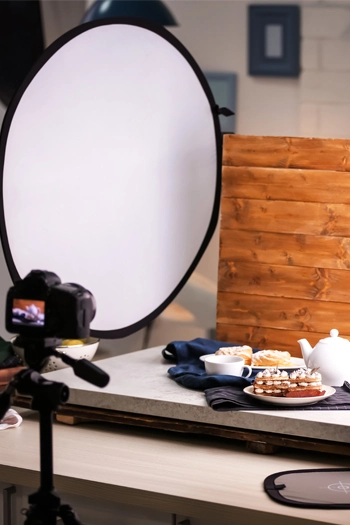
Every successful image relies on a deliberate arrangement of lines, shapes, and colors. The placement of subjects according to geometric principles directs the viewer’s gaze, creating a visual hierarchy that tells a story without words, evoking specific moods through balance or tension within the canvas boundaries.
Studio portraiture
The photographer’s role in portrait creation
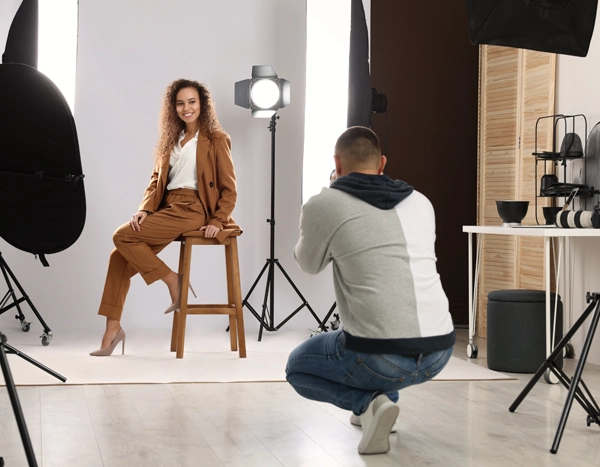
In the controlled environment of a studio, the photographer acts as a director. By manipulating artificial light sources and guiding the subject’s pose, they sculpt facial features and reveal character, transforming a simple likeness into a profound psychological study.
Connection with the subject is paramount. A relaxed atmosphere encourages genuine expressions, allowing the camera to capture micro-expressions that define personality, moving beyond rigid formality to authentic representation.
Stage photography
Documenting the ephemeral nature of performance
The theater stage presents unique challenges with rapidly changing lighting cues and unpredictable actor movements. Capturing the essence of a play or dance requires anticipating the peak of action, timing the shutter release to coincide with the climax of a gesture.
High-contrast stage lighting creates dramatic silhouettes and vibrant color casts. Successful performance photography respects the lighting designer’s intent while ensuring the performers’ emotions remain visible and impactful to the remote audience.
Gallery exhibition
Curating images for public display spaces
Presenting photographs in a physical gallery transforms digital files into tangible artifacts. The choice of paper stock, framing style, and mounting technique significantly influences how the artwork is perceived, adding a tactile dimension that a screen cannot replicate.
Digital workflow
Essential stages of the post-production process
RAW file processing
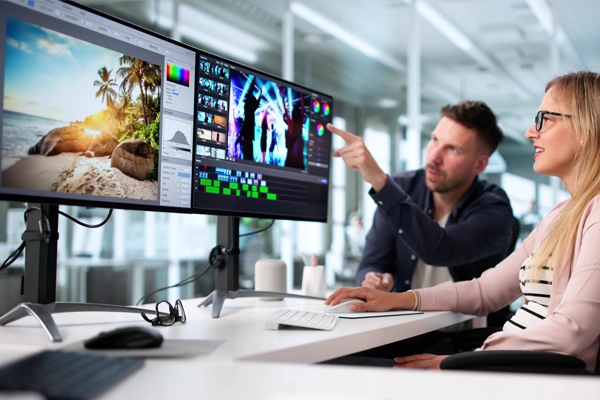
Developing raw data allows non-destructive adjustments to exposure and white balance, retrieving maximum information from the sensor’s capture before final export.

Retouching and cleanup
Removing distractions and refining skin textures focuses attention on the subject, enhancing the overall polish without altering the reality of the scene.

Color grading aesthetics
Applying specific color palettes establishes the emotional tone, unifying a series of images into a coherent visual body of work for publication.